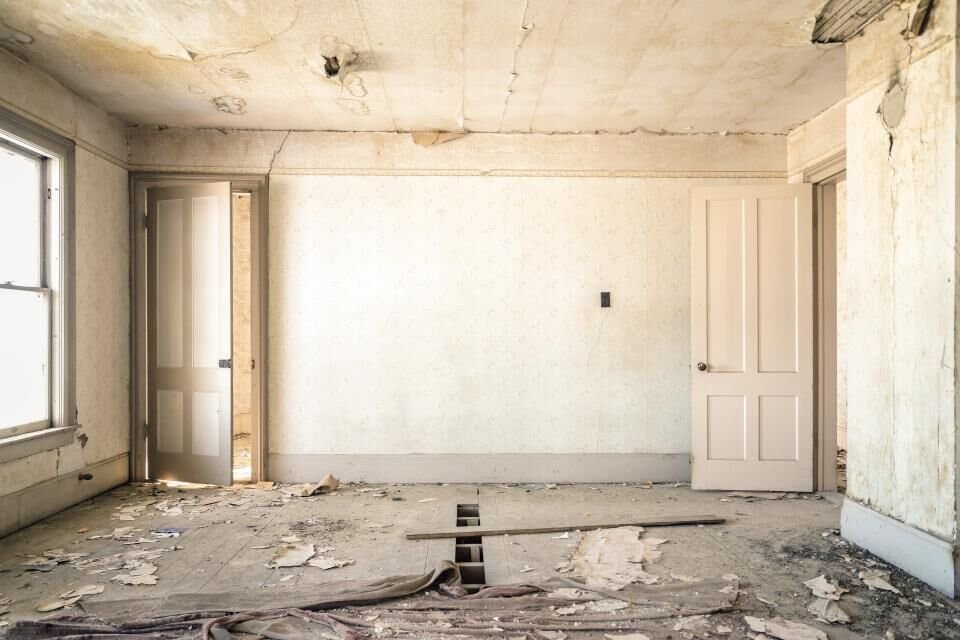
Plenty of Australian homes built in the middle of last century are due for a new kitchen or bathroom about now. A lot of them have a problem hiding in the walls, the eaves or the floors. It went into Australian houses for decades and plenty of it is still sitting there, and you really want to know where before anyone takes a hammer to anything.
Each state and territory sets its own asbestos rules and they change over time, so check what applies where you live before work starts.
Is your house likely to have it?
The Asbestos Safety and Eradication Agency says homes built or renovated before 1990 may contain asbestos. It was phased out by 1990 and banned across Australia in 2003. NSW Government guidance describes it as a popular material in Australian homes between 1940 and 1990, so if you’re buying from that era, it’s sensible to expect some.
Newer doesn’t always mean clear, either. NSW guidance notes homes renovated between 1990 and 2004 may have it too, since the national ban didn’t come in until 2003. The age of the house gives you a rough idea and that’s all.
Asbestos cement sheeting was cheap and tough, so it ended up in a lot of places. Wet areas are a big one. Kitchens, bathrooms, toilets and laundries often have asbestos wall and ceiling sheets, and it can be hiding behind wall tiles and splashbacks.
The national agency’s guide for householders and home renovators lists heaps of other spots. Inside, that includes vinyl floor tiles, the felt backing under vinyl and lino, carpet underlay and textured paint. Outside, check roof sheeting, eaves, gutters, wall cladding, fences, garages and garden sheds. Old electrical switchboards and flues can have it as well.
When it’s actually dangerous
Asbestos that’s in good condition is considered low risk. NSW guidance says undamaged material with no holes, breaks or flaking won’t release dangerous fibres. So if it’s left alone it’s generally OK to live with, though you should keep an eye on its condition over time. The danger is when it gets disturbed, or starts breaking down with age and weather. Even drilling a hole to hang a picture can release fibres.
South Australian government guidance says breathing in asbestos fibres can cause asbestosis, lung cancer and mesothelioma. These diseases can take years and years to show up, and mesothelioma can take 30 to 45 years to develop after someone was first exposed. The more fibres a person breathes in, the higher the risk.
Before any repair or renovation, the national agency gives you two options. Get a sample tested on advice from an asbestos professional, or just assume the material contains asbestos and take full precautions. You can’t tell by looking at a sheet. In NSW, a licensed asbestos assessor can take samples and write up a report showing where the asbestos is and what state it’s in.
A normal building inspection before you buy doesn’t always cover asbestos. If you’re buying an older place and planning to renovate, it might be worth getting a separate check done, and make sure the roof space and under the floor are included.
Things you shouldn’t do
The annoying part is that the normal renovation stuff is exactly what releases the fibres. The NSW Government advice on asbestos safety in the home is very clear, and the national agency adds a few of its own. With anything that might be asbestos, don’t:
- sand, scrub, cut or drill it
- water blast it
- dry sweep, or use compressed air
- use high speed power tools on it
- use a household vacuum cleaner on the dust, even one with a HEPA filter
Painting is a bit different. NSW guidance says sealing asbestos that’s in good condition with quality paint may help stop fibres being released. Don’t sand or scrape it first, and take safety precautions if painting could disturb it. Damaged sheeting is a job for a professional.
If you come across something that looks like asbestos halfway through a job, stop. Get everyone away from the area. NSW guidance suggests dampening it down, covering it with plastic and sealing it so no dust gets out. Keep people out until an assessor has given advice, and get it tested before you go any further.
Who’s allowed to remove it
The national agency doesn’t recommend homeowners remove asbestos themselves. Licensed removalists come in two classes. Class A can remove all types, including friable asbestos, the kind that crumbles easily. Class B can only remove non friable asbestos, like bonded cement sheet. In Western Australia they call them unrestricted and restricted licences.
Small jobs have different rules. Trained tradespeople without a licence may remove less than 10 square metres of non friable asbestos if they follow safe procedures, which is about four sheets of wall sheeting or one wall of an average bathroom. In the ACT, though, homeowners and tradespeople aren’t allowed to remove any amount themselves.
Asbestos waste can’t go in the household bin. Dumping it is illegal, and putting it in a kerbside bin can get you fined. The national agency says all asbestos waste has to go to a landfill licensed to take it, wrapped twice or bagged, sealed and labelled, and taken there as soon as possible.
Fitting it in with the reno
Removal usually means the affected rooms are sealed off for a while. Many families find it easier to get furniture and belongings out before the crew turns up. Before anything starts, roll up and store the floor coverings, and our tips for keeping your rugs clean cover how to look after them while they’re out of the way.
If you need help with the heavy stuff, our post on choosing the right removalist has some pointers on finding a reliable mover. Book them early so the dates line up with the asbestos crew. A reno is also one of those times when a bit of extra room helps, and our guide to the life events that may require you to rent storage looks at short term storage options.
Once the licensed work is finished and the area’s been cleared, give the place a thorough clean before you move back in properly. Our guide to full house cleaning in Perth has a room by room routine for that last bit.
This post is general information only and isn’t professional, legal or medical advice. Asbestos rules differ between states and territories and can change. Talk to a licensed asbestos assessor or your state work health and safety regulator about your situation.